

Table of Contents
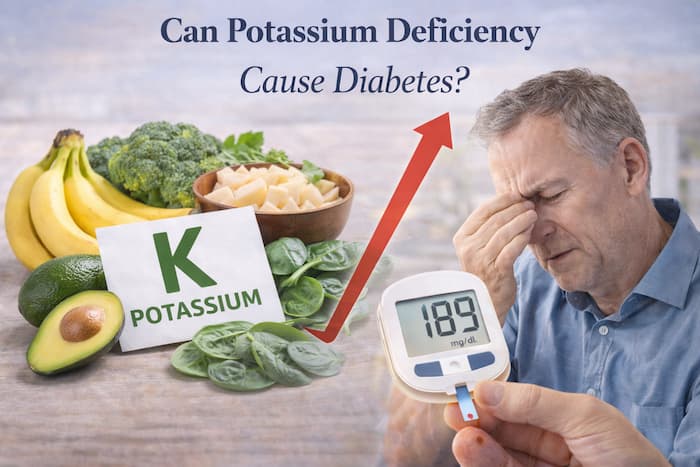
Potassium is an essential mineral that plays a key role in how the body manages fluids, nerve signals, muscle movement, and blood sugar. Many people focus on sugar and carbs when thinking about diabetes, but mineral balance—especially potassium—is often overlooked. A deficiency in potassium may quietly interfere with blood sugar control and insulin function.
Adequate mineral intake supports glucose balance, as nutrients that improve insulin sensitivity help the body regulate blood sugar more effectively.
What Is Unlock Potassium Deficiency?
Potassium deficiency, also called hypokalemia, occurs when potassium levels in the blood drop below normal. Potassium is mainly found inside cells and is critical for normal cell function. The body gets potassium from foods such as leafy greens, avocados, beans, and certain fruits.
Low potassium levels can develop due to poor diet, excessive fluid loss (such as from sweating, vomiting, or diarrhea), long-term stress, or the use of certain medications. Symptoms may include fatigue, muscle weakness, cramps, irregular heartbeat, and in some cases problems with glucose regulation.
Even mild potassium deficiency may go unnoticed, but it can still affect how the body handles insulin and blood sugar.
Why Potassium Affects Blood Sugar
Potassium plays an important role in insulin secretion. Insulin is released from the pancreas and helps move glucose from the blood into cells for energy. When potassium levels are low, insulin release may become less efficient.
In addition, potassium is involved in how cells respond to insulin. Low potassium may reduce insulin sensitivity, leading to insulin resistance in muscle, meaning cells do not respond properly to insulin’s signal. As a result, glucose can remain in the bloodstream instead of being used by the cells.
Potassium also helps balance sodium in the body. When potassium is too low, sodium levels may rise, which can increase stress hormones. Elevated stress hormones such as cortisol are known to raise blood sugar levels, creating another pathway through which potassium deficiency may worsen glucose control.
How Low Potassium May Increase Diabetes Risk
When potassium deficiency persists over time, the combined effects on insulin release, insulin sensitivity, and stress hormones may contribute to chronically elevated blood sugar levels. This does not mean potassium deficiency directly causes diabetes on its own, but it may increase the risk or worsen existing blood sugar problems.
People following restrictive diets, prolonged fasting routines, or very low-carbohydrate eating patterns may unintentionally reduce potassium intake if food choices are limited. In such cases, blood sugar levels may remain high despite efforts like fasting or dietary changes, leading to confusion and frustration.
Restoring adequate potassium intake through balanced food choices can support normal insulin function and help stabilize blood sugar. However, potassium balance should always come from whole foods unless advised otherwise by a healthcare professional.
Ensuring balanced nutrition and daily habits can also help avoid blood sugar spikes after meals, especially for those at risk.
5 Reasons: Can Potassium Deficiency Cause Diabetes?
Potassium is one of the most essential minerals in the human body, yet it often receives far less attention than nutrients like calcium or magnesium. While potassium is widely known for supporting heart health and muscle function, emerging research shows that low potassium levels may also play a role in blood sugar imbalance and the development of diabetes.
So, can potassium deficiency cause diabetes? While it may not directly cause diabetes on its own, strong evidence suggests that potassium deficiency can significantly increase the risk of insulin resistance, impaired glucose metabolism, and eventually type 2 diabetes.
In this article, we explore five scientifically supported reasons why potassium deficiency is closely linked to diabetes risk, how it affects blood sugar regulation, and what you can do to protect your metabolic health.
Understanding Potassium and Blood Sugar Regulation
Potassium is an electrolyte that helps regulate fluid balance, nerve signaling, muscle contractions, and hormone function. It also plays a critical role in glucose metabolism and insulin activity.
Healthy potassium levels help:
- Support insulin secretion from the pancreas
- Improve insulin sensitivity in muscle and fat cells
- Reduce inflammation linked to metabolic disorders
- Balance sodium levels and blood pressure
When potassium levels fall too low—a condition known as hypokalemia—these processes can become impaired, setting the stage for metabolic dysfunction.
What Is Potassium Deficiency?
Potassium deficiency occurs when blood potassium levels drop below normal ranges, usually due to poor dietary intake, excessive sodium consumption, dehydration, certain medications (such as diuretics), or chronic illness.
Common Symptoms of Potassium Deficiency
- Fatigue and weakness
- Muscle cramps or spasms
- Irregular heartbeat
- Digestive problems
- Brain fog or difficulty concentrating
Less commonly discussed—but equally important—are the metabolic consequences, including disrupted glucose control.
1. Potassium Deficiency Impairs Insulin Secretion
One of the strongest links between potassium deficiency and diabetes lies in how potassium affects insulin release from the pancreas.
How Insulin Secretion Works
Insulin is produced by beta cells in the pancreas. When blood glucose rises after eating, potassium channels in these cells help regulate insulin release. Adequate potassium ensures that insulin is released efficiently and in the correct amounts.
What Happens When Potassium Is Low?
When potassium levels are insufficient:
- Insulin secretion becomes impaired
- The pancreas releases less insulin in response to glucose
- Blood sugar remains elevated for longer periods
Over time, consistently reduced insulin output can contribute to chronic hyperglycemia, a hallmark of type 2 diabetes.
2. Low Potassium Increases Insulin Resistance
Insulin resistance occurs when cells no longer respond effectively to insulin, forcing the body to produce more of it to maintain normal blood sugar levels.
Potassium’s Role in Insulin Sensitivity
Potassium helps:
- Facilitate glucose transport into muscle cells
- Support proper cellular signaling
- Reduce oxidative stress in insulin-sensitive tissues
Effects of Potassium Deficiency
Low potassium levels can:
- Reduce glucose uptake by muscle cells
- Increase circulating blood sugar
- Force the pancreas to overproduce insulin
This cycle accelerates insulin resistance, a key step in the progression toward diabetes.
3. Potassium Deficiency Disrupts Glucose Metabolism
Glucose metabolism refers to how efficiently the body converts sugar into usable energy. Potassium plays a direct role in several enzymatic reactions involved in this process.
Metabolic Consequences of Low Potassium
When potassium is deficient:
- Glycogen storage in muscles and liver is reduced
- Glucose remains in the bloodstream instead of being stored
- Energy production becomes less efficient
This metabolic inefficiency can cause persistent elevated fasting blood sugar levels, even in people who do not initially have diabetes.
4. Low Potassium Levels Increase Inflammation and Stress Hormones
Chronic inflammation and elevated stress hormones are well-known contributors to insulin resistance and diabetes.
The Inflammation Connection
Potassium helps regulate:
- Cortisol (the primary stress hormone)
- Inflammatory signaling pathways
- Nervous system balance
What Happens With Potassium Deficiency?
When potassium intake is low:
- Cortisol levels may increase
- Inflammatory markers rise
- The liver produces more glucose
Higher cortisol levels encourage glucose release into the bloodstream, raising blood sugar and worsening insulin resistance over time.
5. Potassium Deficiency Is Common in High-Risk Diets
One of the most important reasons potassium deficiency is linked to diabetes is dietary patterns.
Modern Diets and Potassium Deficiency
Many diets associated with diabetes risk are:
- High in processed foods
- High in sodium
- Low in fruits, vegetables, and whole foods
These diets provide excess sodium but insufficient potassium, creating an imbalance that negatively affects insulin sensitivity.
Sodium-to-Potassium Imbalance
A high sodium-to-potassium ratio has been linked to:
- Increased blood pressure
- Reduced insulin sensitivity
- Higher risk of metabolic syndrome
This imbalance compounds diabetes risk, especially when combined with sedentary lifestyle habits.
Scientific Evidence Linking Potassium Deficiency and Diabetes
Multiple observational studies have found that individuals with lower potassium intake are more likely to develop type 2 diabetes over time.
Key findings include:
- Lower potassium levels predict higher fasting glucose
- Potassium supplementation improves insulin sensitivity in some individuals
- Diets rich in potassium-containing foods reduce diabetes risk
While potassium deficiency alone does not guarantee diabetes, it significantly raises susceptibility, especially in genetically or metabolically vulnerable individuals.
Who Is Most at Risk of Potassium Deficiency–Related Diabetes?
Certain populations face higher risk, including:
- People with prediabetes
- Individuals with high blood pressure
- Those taking diuretics or corticosteroids
- People with chronic stress or poor sleep
- Individuals consuming highly processed diets
For these groups, monitoring potassium intake may be particularly important for metabolic health.
How to Maintain Healthy Potassium Levels
Potassium-Rich Foods
Naturally potassium-rich foods include:
- Leafy green vegetables
- Avocados
- Beans and lentils
- Sweet potatoes
- Bananas
- Yogurt
A whole-food diet typically provides sufficient potassium without the need for supplements.
Caution With Supplements
Potassium supplements should only be used under medical supervision, as excessive potassium can be dangerous—especially for individuals with kidney disease.
Can Increasing Potassium Prevent Diabetes?
Increasing dietary potassium may:
- Improve insulin sensitivity
- Support healthy blood sugar levels
- Reduce inflammation
- Complement other lifestyle interventions
However, potassium is not a cure or standalone prevention strategy. It works best alongside:
- Balanced nutrition
- Regular physical activity
- Adequate sleep
- Stress management
When to Talk to a Healthcare Provider
You should seek medical advice if:
- You have symptoms of potassium deficiency
- Blood sugar remains elevated despite lifestyle changes
- You take medications affecting potassium levels
- You have kidney or heart conditions
Testing blood potassium and glucose levels together can provide valuable insight into metabolic health.
Final Thoughts
So, can potassium deficiency cause diabetes? While it may not be the sole cause, potassium deficiency plays a significant and often overlooked role in insulin dysfunction, glucose imbalance, and increased diabetes risk.
Maintaining healthy potassium levels through a nutrient-rich diet supports insulin secretion, improves insulin sensitivity, reduces inflammation, and enhances overall metabolic health. Addressing potassium intake may be a powerful yet simple step in reducing diabetes risk—especially when combined with other healthy lifestyle choices.
Key Takeaway
Potassium is more than just a mineral for muscles—it plays a meaningful role in blood sugar regulation. Low potassium levels may interfere with insulin function and contribute to higher blood sugar over time. Supporting adequate potassium intake through a well-rounded diet can be an important, often overlooked part of metabolic health.