

Table of Contents
What Is Cortisol?Cortisol is a hormone produced by the adrenal glands, which sit on top of the kidneys. It is released in response to stress and low blood glucose levels.The primary functions of cortisol include:• Regulating metabolism• Controlling blood sugar levels• Reducing inflammation•
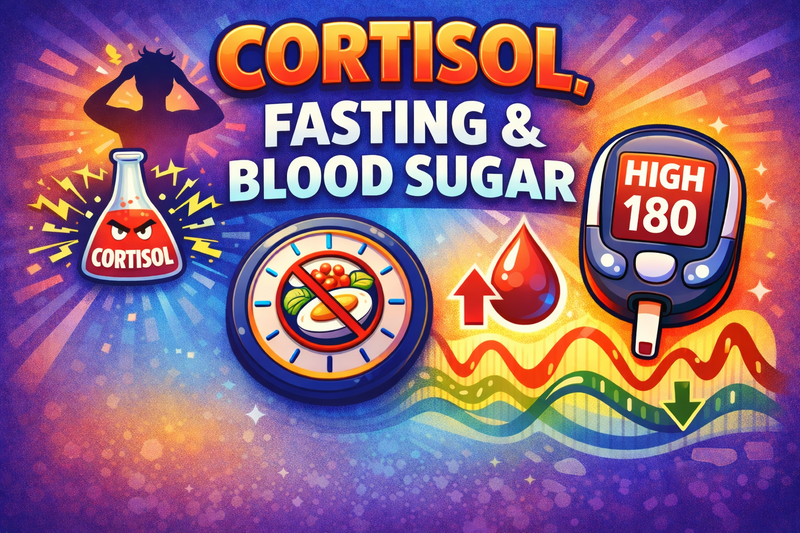
Fasting can be a helpful tool for blood sugar control, but it does not always lower glucose the way people expect. Some people skip meals, fast overnight, or follow intermittent fasting and still notice high morning blood sugar or stubborn glucose readings. One possible reason is cortisol, the body’s main stress hormone.
Cortisol plays an important role in how your body manages energy, especially during stress. If stress is high, blood sugar may stay elevated even when you have not eaten. That is why understanding cortisol can help explain why fasting sometimes feels less effective than expected.
What Is Cortisol and Why Does It Matter?
Cortisol is often called the stress hormone. It is made by the adrenal glands and released into the bloodstream when the body feels stress. Its job is to help you stay alert, focused, and ready to respond to challenges.
One of cortisol’s main jobs is to make sure the brain has enough fuel. According to the transcript you selected, cortisol raises blood sugar so the brain can still get energy even when glucose is not easily available.
This is helpful in short-term stress. But when cortisol stays high too often, it can make blood sugar harder to control.
How Cortisol Raises Blood Sugar During Fasting
Many people think that if they are fasting, blood sugar should automatically go down. But blood sugar is controlled by more than just food. Hormones also play a major role.
When cortisol rises, the body may tell the liver to release more glucose into the bloodstream. This happens because the body wants to protect the brain and keep it fueled. In simple terms, cortisol acts like a signal that says:
“We may be under stress, so keep energy available.”
That means you can be fasting and still see:
- high fasting blood sugar
- higher morning glucose
- slower drops in glucose than expected
- blood sugar spikes during stressful periods
This is one reason some people feel confused when fasting does not seem to “work” the way they hoped.
Why the Body Prioritizes the Brain During Stress
The transcript explains that the brain needs a constant supply of glucose and does not store much of it. Because of that, cortisol shifts energy toward the brain during stress.
In longer or more intense stress, the body may even pull energy from muscle tissue to keep the brain fueled. That sounds dramatic, but it shows how serious the body is about protecting the brain during stressful conditions.
This is why fasting can become more complicated when stress is high. Your body is not only thinking about “burning fat” or “lowering insulin.” It is also thinking about survival and energy availability.
Can Cortisol Make Fasting Blood Sugar Stay High?
Yes, it can.
If cortisol is elevated because of:
- poor sleep
- emotional stress
- illness
- overtraining
- too much caffeine
- overly aggressive fasting
then your body may keep releasing glucose even when you have not eaten.
This can show up as:
- high morning blood sugar
- fasting glucose that stays stubbornly elevated
- less improvement than expected despite skipping meals
This does not always mean fasting is failing. Sometimes it simply means hormones are overriding the effect of not eating.
If you are unsure whether your fasting glucose is actually high or still within a normal range, see our simple guide on What Are Normal Fasting Blood Sugar Levels During Intermittent Fasting?
How Cortisol May Worsen Insulin Resistance
Cortisol may not only raise blood sugar—it may also make that glucose harder to clear.
In the transcript, the speaker explains that the higher the cortisol, the bigger the glucose rise, but also the harder it may be for the body to clear that glucose efficiently. He describes this as showing up as insulin resistance, and notes that more stress may be linked with higher fasting insulin.
That is important because it means stress can affect blood sugar in two ways:
- More glucose enters the bloodstream
- The body may respond less efficiently to that glucose
Over time, this can make fasting feel less effective, especially if sleep, recovery, and stress are being ignored.
Why Morning Blood Sugar Can Be Higher Even If You Fast
Many people notice that their blood sugar is highest in the morning, even after fasting overnight. This can happen because cortisol naturally rises in the early morning hours to help wake you up and prepare your body for the day.
This normal morning cortisol rise can sometimes contribute to:
If you have also noticed unusual overnight glucose patterns, you may also want to read our guide on Why Blood Sugar Rises at Night (The Somogyi Effect Explained Simply).
- higher fasting glucose
- stronger morning hunger
- more noticeable glucose spikes after poor sleep or stress
If your sleep is poor or your stress is high, that normal morning hormone pattern can feel stronger and make blood sugar look worse than expected.
What Can Make Cortisol More Disruptive During Fasting?
Fasting itself is not always the problem. The real issue is often too much stress on top of fasting.
Cortisol may become more disruptive when you combine fasting with:
- poor sleep
- high daily stress
- very long fasting windows
- hard exercise without enough recovery
- under-eating protein or calories
- too much caffeine on an empty stomach
In those situations, the body may feel pushed rather than supported.
If you feel fasting is making stress symptoms worse instead of better, you may also want to read Can Fasting Increase Adrenal Overdrive? Why Stress Hormones Can Rise Without Food.
How to Make Fasting Work Better When Stress Is High
If fasting seems to raise your blood sugar instead of lowering it, the answer is not always to fast harder.
A better approach is often to reduce the total stress load on the body.
Helpful steps may include:
- using a moderate fasting window instead of an extreme one
- improving sleep quality
- reducing caffeine if it worsens jitters or spikes
- eating balanced meals with enough protein
- avoiding overtraining
- staying hydrated
- focusing on consistency instead of perfection
Sometimes a 12–14 hour fasting window with better sleep and lower stress works better than a longer fast that leaves the body feeling overwhelmed.
The Bottom Line
Fasting and blood sugar are controlled by both food and hormones. Cortisol is one of the most important hormones in that equation.
If cortisol is high, the body may release more glucose into the bloodstream even when you have not eaten. Over time, chronic stress may also make that glucose harder to clear, which can contribute to insulin resistance.
The key takeaway is simple:
If fasting is not improving your blood sugar, do not only look at food—look at stress, sleep, recovery, and overall lifestyle too.
Sometimes the best way to improve fasting glucose is not to fast longer.
It is to recover better.
Frequently Asked Questions (Q&A)
Does cortisol raise blood sugar during fasting?
Yes. Cortisol can raise blood sugar during fasting by signaling the body to release more glucose into the bloodstream. This is part of the body’s stress response and helps keep the brain fueled.
Why is my blood sugar high even though I am fasting?
High fasting blood sugar can happen because hormones still affect glucose even when you are not eating. Cortisol, poor sleep, stress, illness, or the normal morning hormone rise can all make fasting glucose stay higher than expected.
Can stress make intermittent fasting less effective?
Yes. If stress is high, cortisol may raise blood sugar and make glucose harder to clear. This can make intermittent fasting feel less effective, especially if you are also sleeping poorly or overdoing long fasts.
Does cortisol cause insulin resistance?
Chronically high cortisol may contribute to insulin resistance over time. The transcript you selected explains that higher cortisol can lead to bigger glucose rises and less efficient glucose clearance, which may show up as insulin resistance.