

What Happens When You Eat Sugar?
Your body needs glucose to survive. Glucose is a form of sugar that fuels your brain, muscles, and cells. However, you do not need to eat added sugars because your body can naturally produce glucose from whole foods like vegetables, fruits, and grains.
The problem begins when we regularly consume added sugars and ultra-processed foods. When you eat sugary foods, your brain releases dopamine, the chemical responsible for pleasure and reward. This makes sugary and processed foods more appealing and can increase cravings. Whole foods like vegetables do not trigger the same intense dopamine response, which is why people rarely crave them in the same way.
Frequent sugar consumption can lead to chronic inflammation, insulin resistance, increased fat storage, and a higher risk of type 2 diabetes. It has also been linked to heart disease, fatty liver disease, cognitive decline, and neurodegenerative disorders such as Alzheimer’s disease. High sugar intake can also damage collagen, the protein that keeps skin firm and elastic. Over time, this can result in reduced elasticity, slower wound healing, and premature aging.
Why Does Sugar Affect Insulin?
When blood sugar rises after a meal, the pancreas releases insulin. Insulin helps move glucose from the bloodstream into cells where it can be used for energy. If this happens occasionally, the body manages it efficiently. However, when sugar intake is frequent and excessive, insulin levels remain elevated. Over time, cells become less responsive to insulin. This condition is known as insulin resistance, and it is a major driver of metabolic disorders. To understand this better, read our detailed guide on How Insulin Resistance Develops and Why It Matters.
Insulin resistance is strongly linked to obesity, fatty liver disease, cardiovascular disease, and impaired brain health. The repeated cycle of blood sugar spikes followed by insulin surges places constant stress on the metabolic system.
What Are Ultra-Processed Foods?
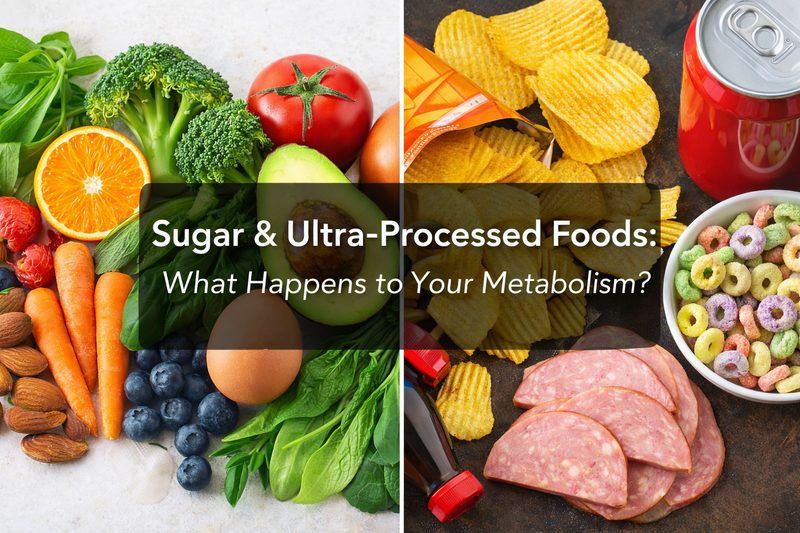
Ultra-processed foods are industrial products that contain ingredients rarely used in home kitchens, such as preservatives, emulsifiers, artificial sweeteners, and synthetic colors or flavors. Examples include sugary breakfast cereals, soft drinks, packaged snacks, processed meats, mass-produced breads, flavored yogurts, and many ready-made meals.
These products often contain high amounts of sugar, refined carbohydrates, unhealthy fats, and salt. This is one reason many people experience unstable glucose levels and sharp spikes after meals. You can read more in How to Avoid Blood Sugar Spikes After Meals (7 Simple Strategies). They are designed to be highly palatable and easy to overconsume.
What Does Research Suggest?
Recent research published in the British Medical Journal suggests that higher intake of ultra-processed foods is associated with an increased risk of early death. Participants who consumed the highest amounts showed a greater overall mortality risk and a higher risk of neurodegenerative disease. Processed meats and sugary beverages were among the strongest contributors.
How Processing Changes Metabolism
Processing changes how the body metabolizes food. For example, whole nuts are digested differently than nut oils. When food structure is altered, nutrients are absorbed more rapidly, which can increase blood sugar spikes and insulin demand.
Ultra-processed foods tend to promote overeating because they stimulate the brain’s reward system. Over time, diets high in sugar and ultra-processed foods can disrupt gut health, increase inflammation, and impair metabolic flexibility.
In contrast, whole and minimally processed foods support a more stable insulin response and better long-term metabolic health.
How to Make Smarter Choices
To protect insulin sensitivity and metabolism, focus on whole foods, short ingredient lists, and limiting added sugars. You can also explore How Fasting Affects Insulin Levels (And Why Blood Sugar Responds Differently) to better understand how hormonal balance influences blood sugar control.