

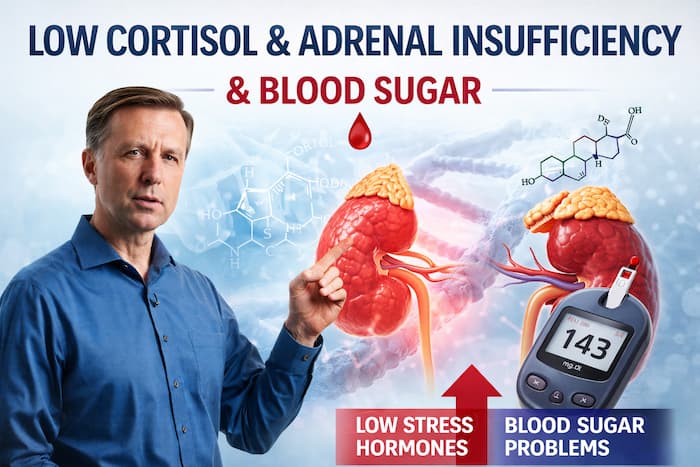
Many people following keto, intermittent fasting, or low-carb diets still struggle with fatigue, dizziness, and unstable blood sugar. In many cases, the issue isn’t diet—it’s hormonal. One often overlooked factor is low cortisol caused by adrenal insufficiency, a condition that disrupts how the body manages stress, energy, and blood glucose.
This article explains what low cortisol is, why it affects blood sugar regulation, and how to support adrenal recovery naturally, based on insights shared by Dr. Eric Berg.
Low cortisol is also closely linked to the dawn phenomenon, which can significantly affect morning blood sugar levels.
What Is Adrenal Insufficiency and Low Cortisol?
Cortisol is the body’s primary stress hormone, produced by the adrenal glands. It plays a key role in maintaining blood sugar levels, blood pressure, and overall energy—especially during fasting, exercise, or emotional stress.
Adrenal insufficiency occurs when the adrenal glands fail to produce enough cortisol. This doesn’t always mean complete adrenal failure; in many cases, cortisol output is simply too low to meet daily demands. When cortisol is insufficient, the body struggles to respond to stress and maintain stable glucose levels.
Why Low Cortisol Disrupts Blood Sugar and Metabolism
Cortisol helps regulate blood sugar by signaling the liver to release glucose when energy is needed. This is especially important in the morning, during fasting, or between meals.
When cortisol levels are low:
- The liver may not release enough glucose
- Blood sugar can drop too low, causing fatigue or shakiness
- The body may overcompensate later, leading to blood sugar spikes
This explains why some people feel worse on intermittent fasting or keto despite eating correctly. Instead of improving metabolic health, aggressive fasting can further strain already weakened adrenal function, and blood sugar can stay high during fasting as the body struggles to regulate glucose properly.
Low cortisol can also reduce stress tolerance, making everyday activities feel exhausting and recovery slower.
How Adrenal Insufficiency Develops
Adrenal insufficiency is often the result of chronic stress, rather than a single cause. Common contributors include:
- Long-term emotional or mental stress
- Excessive fasting without adequate recovery
- Overtraining or intense cardio
- Poor sleep or circadian rhythm disruption
- Electrolyte deficiencies, especially sodium and potassium
- Nutrient shortages such as B vitamins
Over time, these stressors reduce the adrenal glands’ ability to produce sufficient cortisol, leading to metabolic instability.
How to Support Cortisol and Adrenal Recovery
Supporting adrenal health requires reducing stress on the body before pushing metabolic strategies further.
Key supportive steps include:
- Prioritizing consistent, high-quality sleep
- Reducing fasting intensity temporarily
- Ensuring adequate sodium and potassium intake
- Limiting caffeine and stimulants
- Focusing on recovery rather than constant caloric restriction
For many people, stabilizing cortisol levels first makes dietary approaches like fasting and keto more effective and sustainable. Improving daily habits that avoid blood sugar spikes after meals can further support adrenal recovery and glucose stability.
Final Takeaway
Blood sugar problems are not always caused by carbohydrates or poor dietary choices. Hormonal balance—especially cortisol—plays a critical role in metabolic stability.
If blood sugar remains unstable despite clean eating and fasting, low cortisol and adrenal stress may be the missing link. Supporting adrenal recovery often restores energy, improves stress tolerance, and stabilizes blood sugar naturally.