

Table of Contents
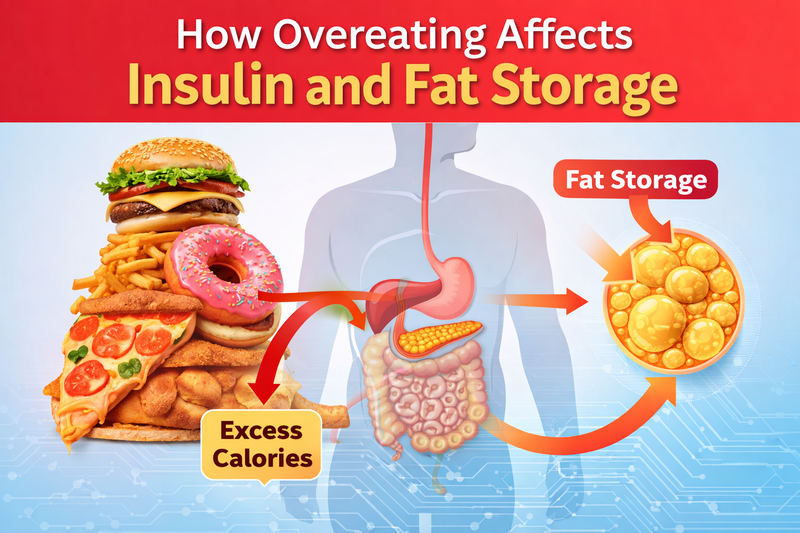
Overeating insulin fat storage are closely connected in human metabolism. When the body receives more calories than it needs, insulin levels rise to manage blood sugar. This hormone helps move glucose into cells, but when energy intake is too high, the excess is pushed into fat storage. Over time, frequent overeating can lead to fat gain, cravings, and metabolic stress.
To understand this process clearly, watch the expert explanation below.
What Happens in the Body When You Overeat
When a person eats too much food in one sitting, the digestive system becomes overloaded. The stomach, pancreas, gallbladder, and intestines all have to work harder to process the large amount of nutrients. According to the explanation in the video transcript, overeating stresses the digestive system and can lead to uncomfortable symptoms such as gas, bloating, nausea, and constipation.
What Happens When You Overeat –…
The body normally works best when digestion has periods of rest. However, frequent overeating keeps the digestive tract constantly full, preventing these processes from completing properly. This constant overload can gradually disrupt normal metabolic balance.
How Overeating Affects Insulin1. Increased Blood Sugar SpikesWhen you overeat—especially foods high in refined carbs and sugars—your blood glucose levels rise sharply. In response, your pancreas releases more insulin to bring those levels down.Repeated spikes lead to:Frequent insulin surgesIncreased fat storage signalsEnergy crashes
Chronic High Insulin Levels (Hyperinsulinemia)Constant overeating keeps insulin levels elevated throughout the day. This condition is known as hyperinsulinemia.Effects include:Reduced fat burningIncreased hungerFat accumulation, especially around the bellyYour body stays in “storage mode” instead of “burn mode.”
Why Overeating Causes Insulin Spikes
One of the most important hormonal responses to overeating is the rise of insulin. When large amounts of carbohydrates or calories enter the bloodstream, the pancreas releases insulin to control blood sugar levels.
Insulin helps move glucose from the blood into the cells so it can be used for energy. However, when food intake exceeds what the body can burn, insulin remains elevated for longer periods.
High insulin levels signal the body to store excess energy rather than burn it. Over time, frequent insulin spikes can contribute to insulin resistance, a metabolic condition where cells become less responsive to insulin signals.
Most insulin spikes happen after eating carbohydrate-rich foods because carbohydrates quickly break down into glucose in the bloodstream. To understand this process in detail, read our article What Happens to Carbohydrates After You Eat Them?
What Happens When You Overeat –…
How Insulin Turns Extra Calories Into Fat
When energy intake is greater than energy use, the body must store the surplus. Insulin plays a key role in this process by directing excess glucose into fat cells.
Initially, fat cells expand to store the extra energy. But if overeating continues regularly, fat storage can extend beyond normal fat tissue. The excess fat may begin accumulating in the liver and around internal organs.
This type of fat, known as visceral fat, is strongly linked with metabolic diseases such as type 2 diabetes and cardiovascular problems.
What Happens When You Overeat –…
The Cycle of Overeating, Cravings, and Insulin Resistance
Overeating does not only affect the body in the moment. It can also influence how the body behaves the following day.
Large meals often cause a strong insulin response that quickly lowers blood sugar afterward. This drop in blood sugar can trigger cravings, mood changes, and a strong desire for carbohydrate-rich foods.
As explained in the transcript, many people experience cravings the next day because of what they ate previously. This can create a repeating cycle of overeating, insulin spikes, and continued cravings.
What Happens When You Overeat –…
Over time, this pattern may gradually develop into insulin resistance, making it harder for the body to regulate hunger and energy balance.
Frequent overeating can gradually lead to insulin resistance and unstable blood sugar levels. If you want to understand why blood sugar sometimes remains high even during strict diets, read our article Why Are Blood Sugar Levels Still High Despite Keto and Fasting?
Why Overeating and Insulin Spikes Can Slow Metabolism
Chronic overeating can also affect metabolism and inflammatory processes in the body. High insulin levels can interfere with certain cellular signals involved in stress responses and immune function.
These metabolic disruptions may slow energy use and make weight gain easier over time. When cells become resistant to insulin, nutrients are not absorbed efficiently into cells, leaving the body feeling unsatisfied even after eating.
This lack of satisfaction can encourage further overeating, reinforcing the metabolic cycle.
How to Break the Overeating Cycle
Breaking the overeating cycle often requires improving eating awareness and giving the digestive system time to recover.
Some strategies include:
- paying attention to portion sizes
- avoiding constant snacking
- allowing longer gaps between meals
- practicing mindful eating
Certain foods can also help improve the body’s response to insulin and support better blood sugar control. To learn which foods may help reduce insulin resistance, read our article Foods That Improve Insulin Sensitivity (Reduce Insulin Resistance).
Giving the body time between meals allows digestion to complete and helps insulin levels return to normal. Over time, these habits may help restore metabolic balance and reduce cravings.
Frequently Asked Questions
Does overeating increase insulin levels?
Yes. When a person overeats, especially foods rich in carbohydrates and sugars, the body releases more insulin to control rising blood glucose levels. Insulin helps move glucose into cells for energy. However, when there is more energy than the body needs, insulin directs the excess calories into fat storage.
Why does overeating cause fat storage?
Overeating provides more calories than the body can use for immediate energy. When this happens, insulin signals the body to store the extra energy in fat cells. Over time, repeated overeating can increase fat storage in the body and may also lead to accumulation of fat around internal organs.
Can overeating lead to insulin resistance?
Yes. Frequent overeating can keep insulin levels elevated for long periods. When this happens repeatedly, body cells may gradually become less responsive to insulin. This condition is known as insulin resistance and is often associated with prediabetes and metabolic disorders.
Why do people feel hungry after overeating?
Large meals can cause a strong insulin response that lowers blood sugar levels afterward. When blood sugar drops, the body may trigger hunger signals and cravings for carbohydrate-rich foods. This can create a cycle where overeating leads to further cravings.
How can someone break the overeating cycle?
Breaking the overeating cycle usually requires mindful eating habits and giving the body time to digest food properly. Strategies such as eating balanced meals, avoiding constant snacking, controlling portion sizes, and allowing time between meals can help stabilize insulin levels and reduce cravings.
Conclusion
Understanding how overeating affects insulin and fat storage can help people make better dietary choices and maintain healthier metabolism. When large meals cause repeated insulin spikes, excess calories are stored as fat and may eventually lead to insulin resistance, cravings, and gradual weight gain.